What are a home heating and ventilation system?
The heating and ventilation system is a critical component of a structure’s mechanical system. It consists of all the equipment required to control the building’s temperature, humidity, air quality, and energy intake.
An a/c system consists of 3 necessary components
An HVAC system is a comprehensive collection of tools created to regulate the interior temperature and air quality and offer convenience, safety, and security. Appropriately mounted and preserved HVAC systems can enhance the wellness and performance of passengers while saving on utility costs.
Fireplace or central heating boiler
The pipework carries heat from the heater to the space where it is utilized.
A control gadget manages hot air flow within the air duct system.
This guide offers information on the kinds of heaters, boilers, and other heat sources, how they function, what you require to recognize before getting them, and how to mount, operate, maintain and fix them. It additionally covers the basics of ducting, vents, and various control methods.
An air conditioning system includes two primary parts
The heating system or boiler (heat resource). This part produces warm utilizing gas, gas, oil, wood, electrical energy, solar, or coal.
Air ducts. These are components that move the heat produced by the heating system or boiler to where it is used.
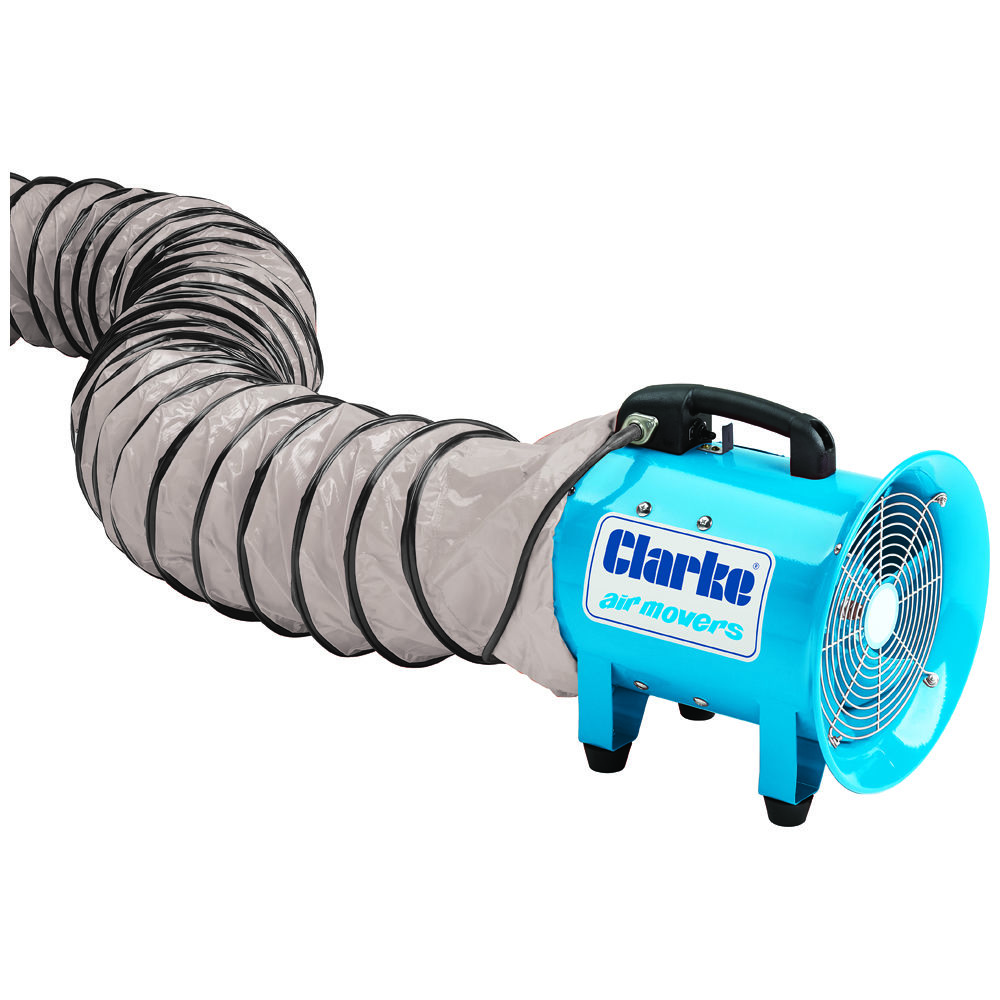
Controls. These controls control the circulation of heated or cooled-down air via the air duct system. They might include thermostats, dampers, followers, shutoffs, and blowers.
Other elements might belong to the cooling and heating system however are not considered necessary. For example, some HVAC systems consist of humidifiers, dehumidifiers, filters, and cooling towers.
Types of heaters and central heating boilers
There are various types of heaters and also boilers. Some are much more efficient than others, depending on the dimension, building, products, performance, and operating habits.
- Gas furnaces and central heating boilers utilize gas or propane to create warmth.
- Electric furnaces and boilers use electric resistors to produce heat.
- Oil cooktops and burners make use of oil to create heat.
- Wood stoves and also fireplaces create warmth directly by shedding wood.
- Solar stoves, as well as boilers, utilize sunshine to generate warmth.
Natural gas furnaces and boilers Gas heating systems and boilers are among the most typical air conditioning systems. They produce warm with natural gas as well as are often very effective. They are dependable and long-lasting as there are no relocating components. Nevertheless, they are costly to purchase and operate, so you should consider your spending plan when selecting this type of furnace or central heating boiler.
Natural gas furnaces and central heating boilers are ranked in terms of BTU output. The higher the number, the even more warmth produced per hr.
Air-cooled
The specific moisture can be computed by splitting the weight of water vapor airborne by the mass of the same volume of arid air.
Loved one moisture can additionally be measured by weighing the air before it enters into contact with the evaporator coil.
The air conditioning unit should remove adequate wetness from the air to compensate for the condenser’s excess water vapor. This is called the dew point.

An automatic controller usually sets the dew point. It is identified by measuring the air’s temperature level coming from the ac unit’s indoor fan and comparing it with the humidity setup.
Intend the temperature of the air leaving the interior follower coil equals the humidity setup. In that situation, the dehumidifier removes adequate wetness from the air to make the moisture in the conditioned area equal to the humidity exterior.
Lp heating units
Lp heating units are warming devices that use liquid lp stored at high pressure in a storage tank. A heater under the storage tank warms the propane into gas. As the propane burns, it turns into carbon dioxide and water vapor. These gases are vented from the heating system through an air vent over the burner.
The quantity of warm needed identifies the size of the air vent. Smaller vents enable even more warmth to escape than bigger vents.
The dimension of the opening should be selected as if it does not limit the ambient airflow. If the hole is vast, droughts and fires will undoubtedly happen.
Keeping flames away from curtains, furnishings, carpeting’s, and other combustible things is vital.
Heat pumps
Heat pumps make use of the same standard concepts as refrigerators. As opposed to relocating cold air, heat pumps use electrical power to move warmth from one location to another.
They work best when the temperature level of the warmth resource is higher than the location. For example, if you have a cozy yet relaxed space in the evening, you could use a heat pump to move warmth from warm air throughout the day to cool down at night.
High-Velocity Fan Warm Exchangers
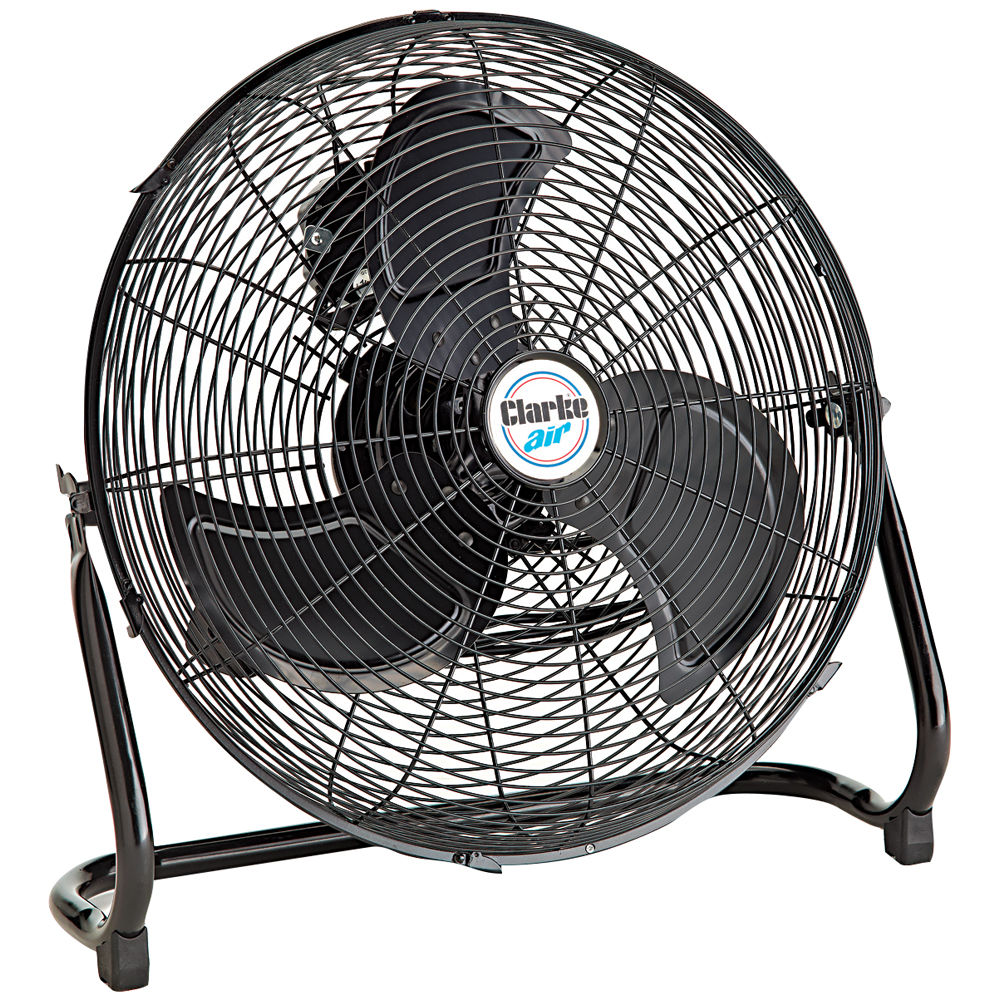
A High-Velocity Follower Heat Exchanger (HVFHE) is a warmth exchanger that uses a series of followers to move warmth between two air streams. Each fin expands throughout the entire size of the warmth exchanger.
The air streams at the same time over the fins. Each fin is countered from the adjacent fin, so the airflow is in alternating directions.
The air moves along the fins in both directions. The airspeed enhances as it comes close to the center of the warmth exchanger, which is turned by 90 °. The air then returns to the outer side of the fins, where its speed drops once more.
This procedure results in a very turbulent airflow pattern. The disturbance in the airflow assists in mixing the air and raising the fin area.
This enhanced area enables the warmth exchanger to trade even more warmth with much less power.
The fins have high thermal conductivity, making them ideal for warmth transfer.
As the fins are constructed from steel, they can hold up against temperature levels as much as 600 ° F.
An air filter is needed to stop dirt particles from entering the system.
Air conditioning
Air conditioning systems take warmth away from the room and return cooled-down air to the space. There are three major types of air conditioning systems.
- Central air conditioning mounted in multi-room structures.
- Air conditioning is mounted in multi-room buildings, while split a/c systems cool down only specific locations of the structure.
- Window cooling systems are developed to cool down specific spaces by blowing outside air straight into the home windows.
Many central air systems consist of a compressor, condenser coil, growth valve, evaporator coil, and control unit.
The compressor compresses the liquid from reduced to high pressure. This raises the temperature of the compressed liquid.
- The condenser removes the heat from the compressed fluid and releases it into the environment.
- A growth shutoff controls the quantity of liquid streaming through the evaporator coil.
- The evaporator absorbs moisture from the air and releases it right into the environment.
- The control system regulates the operation of the a/c system.
Different cooling devices are readily available, consisting of split system devices, ductless mini-split units, and home window devices.
Check here for amazing heating and ventilation system equipment.
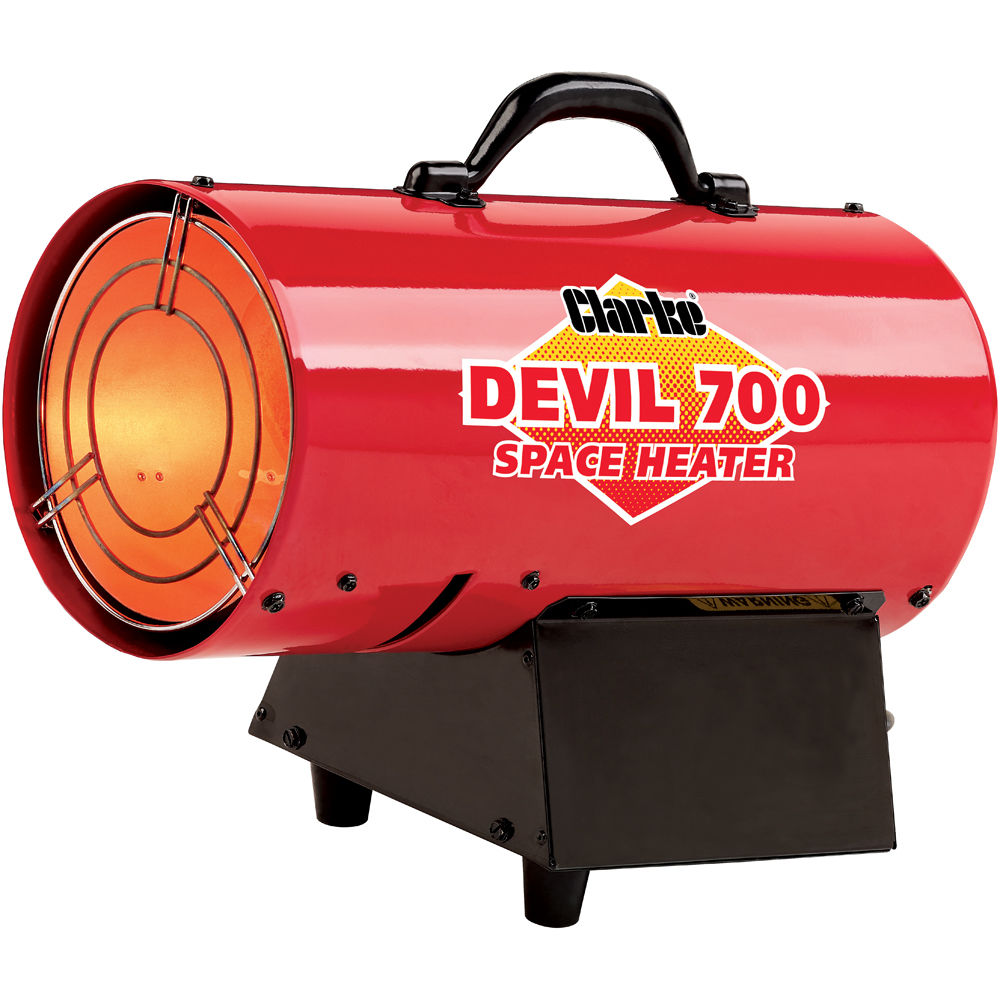
Clarke Devil 700 Propane Fired Space Heater
Clarke Devil 6003 Industrial Electric Fan Heater

Enjoyed this blog post? For more please visit Tools & Accessories.